
 admin45673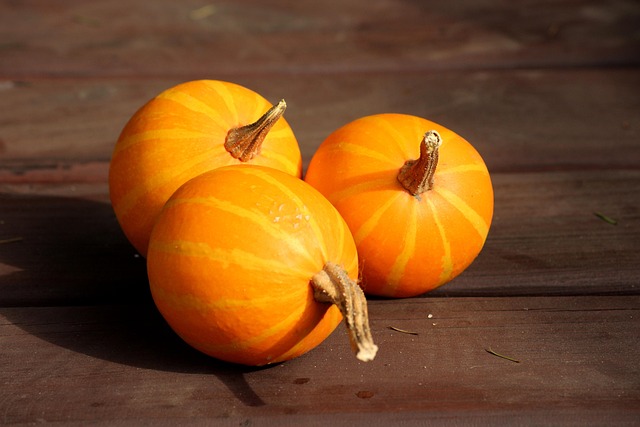
If you’ve ever planted pumpkins before, you probably know that these plants love space, sun, and time. But one of the biggest questions most gardeners ask is, “How many pumpkins can one plant actually produce?” The answer isn’t as simple as tossing out a number, it depends on the variety, growing conditions, and how much care you put in. Based on my overall experience growing pumpkins over the years, I can tell you there’s a mix of science, patience, and timing involved if you want a big harvest.
Let’s dig deep into everything that affects how many pumpkins one plant can give you, from seed to harvest.
Let’s Understand Pumpkin Growth Here
Pumpkin Growth Basics
Pumpkins are part of the Cucurbitaceae family, which includes cucumbers, melons, and squash. These plants grow through long, sprawling vines that can extend up to 20 feet in some varieties. Each vine produces both male and female flowers, and the success of pollination plays a big role in how many pumpkins will grow.
Each female flower has the potential to become a pumpkin, but not all flowers will get pollinated or develop properly. Bees and other pollinators are key here, without them, the female flowers just dry up. So if you’re aiming for a healthy yield, your first goal is to create an environment where pollination happens easily.
Factors That Affect Pumpkin Production
Several things can influence how many pumpkins a single plant produces. Let’s break them down clearly.
1. Pumpkin Variety
Different types of pumpkins have different production capacities.
Mini pumpkins like Jack Be Little or Baby Boo can produce between 8 and 12 pumpkins per plant.
Medium pumpkins such as Howden or Cinderella usually give 3 to 5 pumpkins per plant.
Large pumpkins, including Big Max or Atlantic Giant, often grow just 1 or 2 pumpkins per plant, because these take up more nutrients and space.
So, before you even start planting, choose your variety based on what kind of harvest you want.
2. Growing Conditions
Pumpkins need full sunlight, rich soil, and plenty of water. The healthier the growing conditions, the higher the yield.
Soil Quality: Pumpkins thrive in nutrient-rich, well-drained soil with plenty of organic matter. Compost or aged manure is perfect.
Temperature: They love warm weather, ideally between 70°F to 85°F (21°C to 29°C).
Watering: Deep, consistent watering helps fruits grow without splitting. However, water at the base, not on the leaves, to avoid fungal diseases.
If any of these conditions are off, too cold, poor soil, or inconsistent watering, the plant’s energy shifts away from producing multiple pumpkins and focuses on survival.
3. Pollination Success
Pollination can make or break your pumpkin count. Each female flower needs pollen from a male flower to develop a fruit. If you don’t see bees or pollinators around, your yield will drop.
You can help the process manually by hand-pollinating. Simply transfer pollen from the male flower’s center to the female flower’s stigma using a small brush or cotton swab. It’s a simple trick that can increase your pumpkin count, especially in areas with low bee activity.
4. Pruning and Vine Management
It might surprise you, but pruning can actually help pumpkins produce better. When vines grow too long, the plant spreads its energy thin. By trimming some secondary vines, you encourage the main vine to direct nutrients toward fruit development instead of excessive foliage.
You can also “train” vines so they grow in specific directions and don’t overlap. This keeps the area airy and reduces the risk of diseases like powdery mildew.
5. Fertilization
Pumpkins are heavy feeders. A good feeding schedule can dramatically boost production.
Before flowering: Use a fertilizer high in nitrogen to promote strong vine growth.
After flowering: Switch to one higher in phosphorus and potassium to help with fruit formation.
If you use too much nitrogen later in the season, the vines will grow lush and green, but you’ll end up with fewer pumpkins. Balancing nutrients at the right time is key.
6. Pests and Diseases
Pumpkin plants can attract a variety of pests like squash bugs, cucumber beetles, and vine borers. These pests damage vines and flowers, cutting off potential fruits. Regularly inspect the undersides of leaves and remove bugs manually or use natural pest control options.
Diseases like powdery mildew and downy mildew also reduce yields by weakening the plant. Good air circulation, proper spacing, and watering at the base can help prevent these issues.
How Many Pumpkins You Can Expect Per Plant
Here’s an easy breakdown of expected yields by pumpkin type:
Pumpkin TypeAverage Pumpkins per PlantNotesMini Varieties8–12Small, decorative pumpkinsMedium Varieties3–5Good for carving or cookingLarge Varieties1–2Used for contests or decoration
These numbers are averages, but with ideal conditions, you can sometimes exceed them.
How to Boost Your Pumpkin Yield
If you want more pumpkins per plant, there are a few key strategies that can make a big difference.
1. Start with Healthy Seeds
Always start with fresh, high-quality seeds. Old or poorly stored seeds can lead to weak plants that struggle to produce fruit. If you’re saving seeds from last year’s harvest, make sure they were dried and stored properly in a cool, dry place.
2. Prepare the Soil Early
Pumpkins love fertile soil. A few weeks before planting, work in compost, aged manure, or an organic fertilizer. The goal is to make the soil rich and slightly loose so roots can spread easily.
From my own personal experience, preparing the soil well before planting is one of the biggest game changers. When I started enriching the soil early, my yield nearly doubled.
3. Provide Enough Space
Give each plant plenty of room to grow — at least 4 to 5 feet apart for smaller varieties, and 8 to 10 feet apart for large ones. Crowded plants compete for sunlight and nutrients, which leads to fewer pumpkins.
If you’re short on space, consider growing smaller varieties or training the vines up a sturdy trellis.
4. Encourage Pollinators
You can attract bees by planting flowers nearby like sunflowers, marigolds, or zinnias. Avoid using chemical pesticides during the flowering stage since they can harm pollinators.
A healthy pollinator presence means more fertilized flowers, which means more pumpkins.
5. Mulch for Moisture and Weed Control
Applying mulch around your plants helps in multiple ways, it retains soil moisture, keeps roots cool, and blocks weeds that compete for nutrients. Use straw, compost, or shredded leaves for natural mulching.
6. Train the Vines
Directing the vines in specific directions helps the plant make better use of space and light. When vines are trained neatly, they get better air circulation, which lowers disease risks and helps flowers stay healthy.
7. Remove Early Fruits
This may sound strange, but removing the first few small pumpkins can actually improve your final yield. It gives the plant more energy to focus on growing stronger vines and producing more flowers later.
8. Consistent Watering
Pumpkins need about 1 to 1.5 inches of water per week, depending on the weather. Consistency is key, too little water causes stunted growth, while too much can cause root rot. Always water deeply and directly at the roots.
Common Mistakes That Limit Pumpkin Production
Even experienced gardeners sometimes run into issues that lower yields. Here are some common mistakes to avoid:
1. Planting Too Early
Pumpkins hate cold soil. If you plant too early in the season, seeds may rot before sprouting. Wait until the soil warms up to at least 70°F (21°C) before planting.
2. Overcrowding Plants
Many gardeners underestimate how large vines can get. Crowding leads to poor airflow and increases disease risk. Always give each plant its space to stretch out.
3. Ignoring Pollination
Assuming that nature will handle all the pollination can backfire, especially if you live in an area with few pollinators. Be ready to hand-pollinate if needed.
4. Overfertilizing with Nitrogen
More fertilizer doesn’t mean more pumpkins. Too much nitrogen leads to big, leafy plants but very few fruits.
5. Skipping Pest Control
Ignoring pests until they’re out of control can destroy your vines overnight. Early detection and prevention are key.
The Life Cycle of a Pumpkin Plant
To understand yield, it helps to know the stages of growth:
- Germination (7–10 days): Seeds sprout and begin forming roots.
- Vine Growth (2–4 weeks): The plant spreads and produces large leaves.
- Flowering (6–8 weeks): Male flowers appear first, followed by female flowers.
- Pollination and Fruit Set: Successful pollination leads to small green pumpkins forming.
- Fruit Maturation (45–60 days): The pumpkins grow larger, change color, and ripen.
- Harvest Time: When the skin hardens and turns the right color, they’re ready for picking.
Each stage affects how many fruits the plant can sustain, especially during flowering and fruit development.
Harvesting and Storage Tips
When pumpkins are ready, you’ll notice the stem hardens and the rind becomes tough. Harvest them with a sharp knife or pruning shears, leaving about 3–4 inches of stem attached — this helps them last longer in storage.
Cure them in a warm, dry spot for about a week to harden the skin even more. After curing, store them in a cool, dry place. Properly cured pumpkins can last for 2 to 3 months, sometimes longer depending on the variety.
Final Thoughts
Growing pumpkins is one of the most rewarding gardening experiences, from watching the first vines take off to seeing those bright orange fruits mature. How many pumpkins you get from one plant depends on how much effort you put into soil prep, pollination, watering, and vine care.
From my own personal experience, the key is balance. Don’t rush the process. Pumpkins take time, space, and care, but if you give them what they need, you’ll be rewarded with a beautiful harvest that’s perfect for cooking, carving, or decorating.
Whether you’re growing a small decorative variety or going for the biggest pumpkin in the neighborhood, every plant has the potential to surprise you. It’s about creating the best environment possible and letting nature do its thing, with a little help from you.






