
 admin45673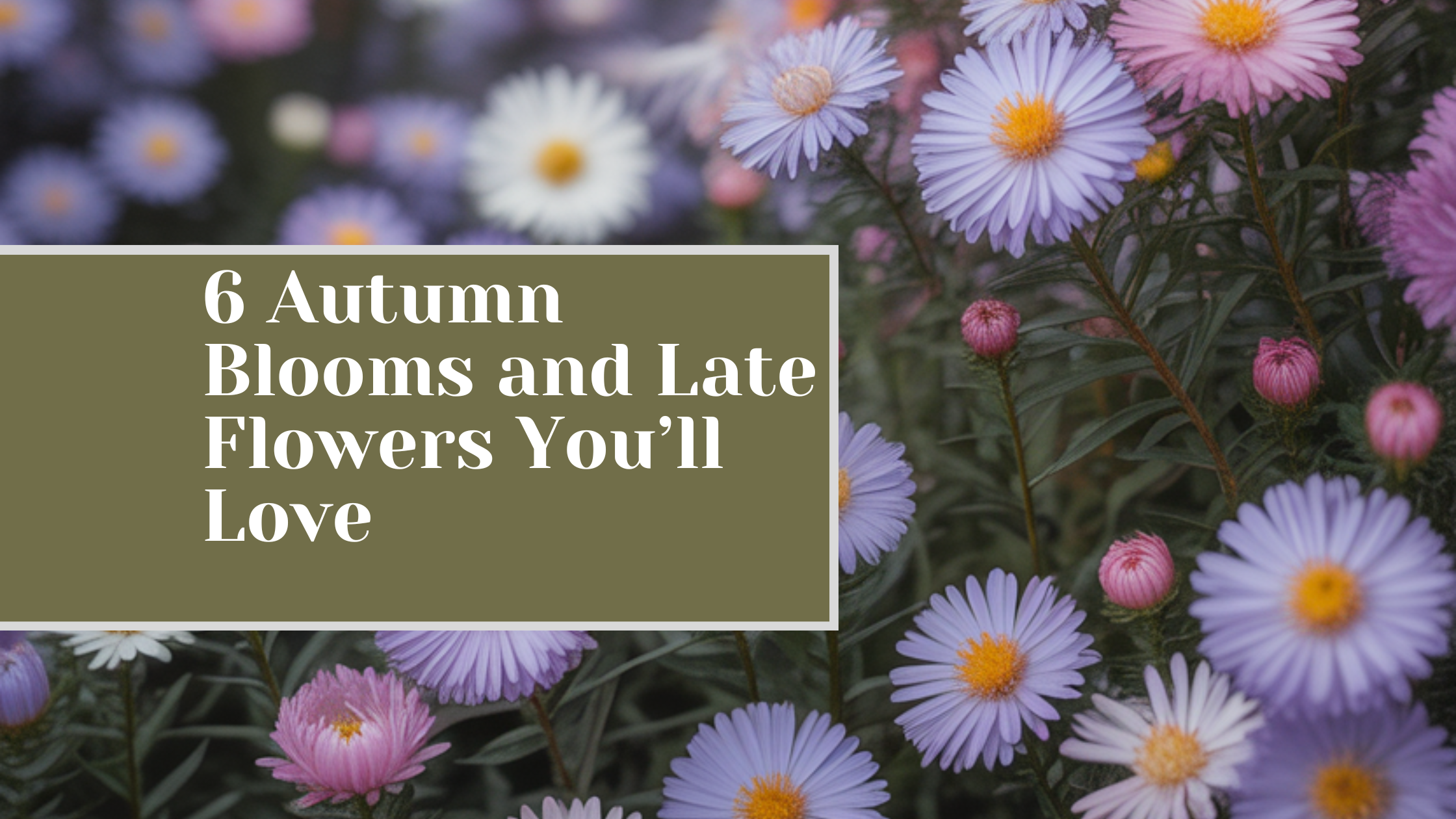
Autumn doesn’t mean the end of color in your garden. In fact, it’s one of the best times to enjoy rich, deep tones and long-lasting blooms that thrive in cooler weather. As summer flowers fade, a new set of plants steps in, bringing warmth and texture to your outdoor space.
You don’t need to give up on bright petals or lush greenery once the temperature drops. Many late-season flowers actually love the mild chill of fall. These autumn blooms can fill your garden, porch, or balcony with color long after others fade away.
From my own personal experience, autumn flowers have a special charm. They seem to stand stronger, bolder, and more beautiful against crisp air and shorter days. There’s something refreshing about seeing marigolds, asters, and chrysanthemums thrive when most plants start to rest.
So, if you’re ready to keep your garden alive through fall, let’s go through 6 stunning autumn blooms and late flowers you’ll love. I’ll share details about their colors, care tips, and why they’re so perfect for this time of year.
1. Chrysanthemums, The Classic Fall Star
Chrysanthemums, often called “mums,” are easily the stars of autumn. They’re popular for a reason, these blooms bring out the best fall colors you could ask for. You’ll find them in warm shades of yellow, orange, red, bronze, and even deep purples.
Why Chrysanthemums Steal the Show
They’re hardy, dependable, and long-lasting. Once planted, they can bloom right up until frost hits. If you’ve ever walked through a fall garden and seen rows of round, bushy flowers glowing under the afternoon sun, chances are they were mums.
They come in hundreds of varieties, from small pompons to large, daisy-like heads. You can grow them in garden beds, pots, or hanging baskets. They also make great cut flowers, staying fresh in vases for days.
How to Keep Them Happy
Mums love full sunlight. They’ll do best in well-drained soil and should be watered regularly—but not too much. Overwatering can make them rot, especially when the air gets cooler.
If you’re planting them in the ground, space them out so air can circulate between plants. This keeps them healthy and reduces the risk of mildew. Once the blooms fade, cut them back to the ground. They’ll rest during winter and return the next year stronger.
Why You’ll Love Them
From my own personal experience, no flower captures autumn better than chrysanthemums. They give that cozy, golden-hour feeling that instantly transforms any space. If you want an easy and guaranteed way to bring warmth to your garden, mums are the way to go.
2. Asters, The Starry Charm of Autumn
If chrysanthemums are the bold stars of fall, asters are the soft glow that balances them out. These dainty flowers look a lot like daisies but come in cooler tones, purples, pinks, whites, and blues.
What Makes Asters Special
Asters bloom from late summer all the way through fall. Their timing fills that gap between fading summer flowers and the first frost. They attract pollinators like bees and butterflies, which is great if you love seeing life in your garden even as the season slows down.
Their star-shaped petals (that’s actually where the name “aster” comes from, it means “star” in Greek) bring a gentle, dreamy look to any corner of your garden.
How to Grow Asters Right
They like full to partial sun and prefer well-drained soil. Once established, asters are pretty low-maintenance. Keep them watered during dry weeks, but otherwise, they’re easygoing.
A good tip: trim the tops early in the growing season (around June). This helps them grow bushier and produce more blooms in autumn.
Why Asters Belong in Every Autumn Garden
Based on my overall experience, asters balance the bright boldness of chrysanthemums with their delicate look. They bring contrast, texture, and movement. If you want a soft, meadow-like vibe in your garden, asters are a perfect choice.
3. Japanese Anemones, Graceful and Resilient
Japanese anemones add a touch of elegance to any garden. They stand tall on slender stems, waving lightly in the wind, with soft white or pink petals and golden centers. They bloom late, usually from late August through October, making them one of the best choices for fall beauty.
Why They Stand Out
Japanese anemones feel refined but strong. They handle cooler temperatures easily and grow well in partial shade. They’re also deer-resistant, which is a big plus if you live in an area where wildlife likes to snack on your plants.
Their blooms create a romantic, natural look, especially when paired with ornamental grasses or low-growing ground covers.
Care Tips for Healthy Anemones
They like moist but well-drained soil and can handle both sun and light shade. Water them regularly during dry periods, especially in their first season. Once they settle in, they spread steadily year after year, creating lovely clusters.
You can divide them every few years to prevent overcrowding and get new plants for free.
Why You’ll Fall for Them
From my own personal experience, Japanese anemones have a calming effect. Their simplicity brings peace to a garden when everything else starts to fade. They’re graceful, easy to grow, and they look good even after blooming ends, with seed heads that add texture through winter.
4. Sedum (Stonecrop), The Bold and Reliable Bloomer
Sedum, often called “stonecrop,” is another must-have for autumn. It’s a succulent plant, meaning it stores water in its leaves and thrives in dry conditions. But don’t let that fool you, it’s full of life and color through fall.
Why Sedum Is So Popular
Its flower clusters start small and pale in late summer, then deepen into rich pinks, reds, and bronzes as autumn arrives. The most loved variety is ‘Autumn Joy’, which truly lives up to its name.
Sedum looks great mixed with other fall flowers, especially when you want to add texture and structure. It doesn’t wilt easily and holds its shape even after frost, adding visual interest into winter.
Easy Care Tips
Sedum prefers full sun and well-drained soil. It doesn’t need much watering, too much water can actually hurt it. Once established, it’s one of the lowest-maintenance plants you can grow.
You can cut off the spent blooms in late winter or leave them through the cold months for a frosted look that adds charm to your garden.
Why Sedum Deserves a Spot
Based on my overall experience, sedum is the kind of flower you plant once and enjoy for years. It’s dependable, versatile, and visually strong. Even when other flowers fade, sedum keeps your garden alive with structure and warm tones.
5. Helenium, The Fiery Autumn Beauty
Helenium, sometimes called sneezeweed (don’t worry, it doesn’t actually make you sneeze), is one of the most eye-catching late-season flowers. Its petals look like tiny sunbursts, glowing in shades of orange, yellow, and red.
Why Helenium Shines in Fall
It blooms right when summer’s brightness fades, bringing back that fiery energy in deeper, earthy colors. Helenium flowers are shaped like daisies, with a raised center that gives them a unique texture.
They’re perfect for adding warmth and brightness to a border or flowerbed, especially under the golden light of early autumn evenings.
Care Tips for Strong Blooms
Plant helenium in sunny spots with moist, well-drained soil. They don’t like dry conditions for too long. Deadhead the spent blooms to keep the flowers coming. In early spring, cut back old stems to encourage new growth.
If you have heavy soil, add compost before planting, it helps the roots spread better.
Why You’ll Love Helenium
From my own personal experience, helenium brings energy back into the garden. Its bold, warm colors make every corner look alive, even on gray days. It’s the flower that reminds you autumn isn’t the end of growth, it’s just a different kind of beauty.
6. Montauk Daisy, The Late Bloomer That Never Fails
The Montauk Daisy, also known as Nipponanthemum nipponicum, is a true late bloomer. It usually doesn’t start flowering until late September and keeps going right up to frost. Its bright white petals and yellow centers bring a clean, crisp look to the fall garden.
What Makes It Special
While many flowers in autumn lean toward warm, dark colors, the Montauk Daisy stands out for its brightness. It gives a fresh, lively look among oranges and reds, like the last burst of summer.
The plant itself is sturdy and bushy, growing about two to three feet tall. It’s also drought-tolerant once established, which means less maintenance for you.
Simple Care Tips
Plant Montauk Daisies in full sunlight and well-drained soil. Pinch back new growth in early summer to keep the shape compact and full. Water them moderately, too much water can cause root rot.
After blooming, cut them back to about six inches. They’ll regrow strong the following year.
Why You’ll Love Montauk Daisies
Based on my overall experience, Montauk Daisies are the kind of flower that always surprises you. Just when you think the garden is done, they pop open, clean and bright against the fading leaves. They’re tough, cheerful, and reliable, everything you want from a late-season bloomer.
How to Keep Your Autumn Blooms Thriving
If you want your fall flowers to keep shining through the season, it’s all about giving them the right conditions.
Sunlight and Soil
Most autumn flowers love sunlight, so plant them in spots where they can get at least six hours a day. Use well-drained soil—it prevents soggy roots and keeps your plants healthy.
Watering Routine
As the air cools, plants need less water. Focus on consistent moisture, not saturation. Overwatering during autumn is one of the easiest ways to lose plants.
Deadheading and Pruning
Removing old blooms helps extend the flowering period. Once plants finish for the season, trim them back so they rest through winter and return strong in spring.
Feeding the Soil
Before planting or after removing summer flowers, mix compost into the soil. It adds nutrients that keep autumn blooms healthy and colorful.
Why Autumn Blooms Matter More Than You Think
Autumn blooms are more than just filler between summer and winter. They’re symbols of resilience and quiet beauty. When the days get shorter and colder, these flowers stand out because they thrive in transition.
From my own personal experience, tending to a fall garden feels grounding. The air is cooler, the colors are deeper, and the pace is slower. You start noticing small things, the buzz of a bee visiting an aster, the rustle of dry leaves near your chrysanthemums, or the soft sway of Japanese anemones in the breeze.
These flowers remind you that growth doesn’t always end with summer, it just changes rhythm. Fall gardens are living proof that beauty exists in every season, just in different forms.
Final Thoughts
If you love gardens that stay colorful late into the year, these six flowers are your perfect starting point.
- Chrysanthemums bring classic autumn color.
- Asters add gentle, starry charm.
- Japanese Anemones keep things elegant.
- Sedum gives strength and structure.
- Helenium bursts with fiery warmth.
- Montauk Daisies end the season with bright freshness.
Each one offers something different, color, texture, or mood, but together, they make autumn unforgettable.
Plant a mix of these in your garden, and you’ll have a space that stays vibrant long after summer ends. Every flower tells a little story of endurance and transition, and by growing them, you keep that story alive year after year.
From my own personal experience, nothing feels better than walking through a garden filled with late blooms, feeling that mix of chill air and warm color. It’s peaceful, beautiful, and deeply satisfying.
So go ahead—grab a few pots, a patch of soil, and start your autumn garden now. You’ll thank yourself every time you step outside and see those flowers glowing against the golden light of fall.






