
 admin45673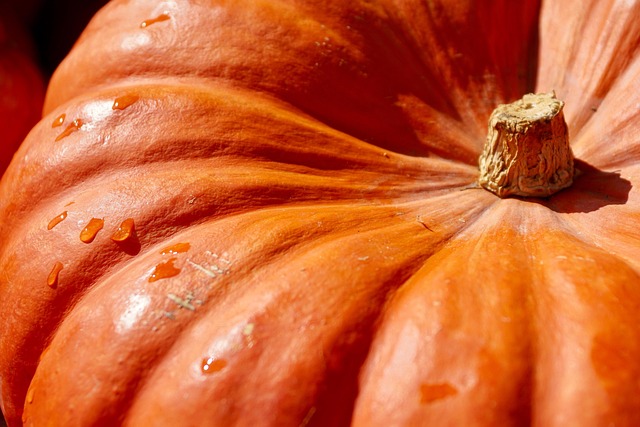
Growing pumpkins can be exciting, especially when seeing those large orange fruits develop in the garden. But knowing exactly when they’re ready to harvest can be tricky. Harvesting too early or too late can affect the pumpkin’s taste, storage life, and even its appearance. From my own personal experience, the key is to observe several factors, from the pumpkin’s skin to the vine’s condition, before picking. Let’s break it down step by step.
Let’s Understand Pumpkin Maturity Here
Pumpkins don’t ripen overnight. They go through a series of stages that indicate their readiness for harvest. Understanding these stages helps ensure a perfect pumpkin, whether for decoration, cooking, or storage.
Pumpkin Growth Timeline
Typically, pumpkins take anywhere from 75 to 120 days to reach full maturity, depending on the variety. Smaller pumpkins, like sugar pumpkins, mature faster, while large carving pumpkins can take longer. The growth period includes several stages:
Seedling Stage – The first 2-3 weeks after planting when leaves develop.
Vine Development Stage – The plant focuses on spreading its vines.
Flowering Stage – Female and male flowers appear. Female flowers produce the fruit.
Fruit Development Stage – The pumpkin starts small and gradually grows in size.
Ripening Stage – Color deepens, the skin hardens, and the vine begins to dry.
Recognizing the final ripening stage is crucial to knowing when to harvest.
Signs of a Mature Pumpkin
Several indicators suggest pumpkins are ready to be picked. Look for these signs carefully:
Skin Color
The pumpkin’s skin should reach its full color, which varies by variety, orange, white, or even blue. From my own personal experience, pumpkins often look ripe in color a few days before the other signs become obvious. Still, the skin color alone isn’t enough; it needs to be combined with other maturity signs.
Skin Hardness
A ripe pumpkin has a hard outer skin. Press your fingernail gently into the skin. If it resists puncture and doesn’t dent easily, it’s ready. Soft spots indicate immaturity or possible rot. This test is simple yet highly effective.
Vine Condition
The pumpkin vine itself provides clues. A mature pumpkin usually has a vine that starts drying near the stem attached to the fruit. Green and flexible vines suggest the pumpkin isn’t fully ripe yet. From my own personal experience, waiting until the vine begins to turn brown increases the pumpkin’s storage life.
Sound Test
Knocking on the pumpkin can help determine its readiness. A mature pumpkin produces a hollow, deep sound. Immature pumpkins sound dull or soft. This technique is particularly useful if unsure about the skin and vine.
Time Since Planting
Keep track of planting dates. Knowing the variety and the days to maturity gives a baseline. Even if a pumpkin shows many signs of readiness, comparing with the expected days can prevent premature harvesting.
Harvesting Techniques
Harvesting pumpkins requires care to avoid damage and extend shelf life. Using proper tools and methods is essential.
Tools You’ll Need
Sharp garden shears or a knife – For cutting the vine cleanly.
Gloves – Optional, but helpful to protect hands from scratches.
Basket or tarp – To transport pumpkins safely without bruising.
How to Cut Pumpkins Properly
Cut the stem about 2-4 inches from the pumpkin.
Avoid twisting or pulling; this can damage the stem and shorten storage life.
If the stem is broken, handle the pumpkin carefully because it may not store as long.
Handling and Transport
Pumpkins are surprisingly delicate once off the vine. Place them gently on a soft surface, like grass or a tarp. Avoid stacking them too tightly. From my own personal experience, even minor bruising can lead to rot during storage, so careful handling is key.
Storing Pumpkins After Harvest
Proper storage extends the pumpkin’s life for weeks or even months. Here’s how to do it:
Ideal Conditions
Temperature: Store pumpkins between 50-60°F (10-15°C).
Humidity: Keep humidity moderate. Too high leads to rot, too low causes shriveling.
Ventilation: Allow air circulation to prevent mold.
Preparing Pumpkins for Storage
Clean pumpkins gently with a damp cloth to remove dirt.
Avoid washing extensively; moisture encourages rot.
Cure pumpkins in a warm, dry area for 7-10 days to harden the skin further.
Checking Stored Pumpkins
Regularly inspect stored pumpkins for soft spots, mold, or decay. Remove any affected pumpkin immediately to prevent spread.
Common Mistakes When Harvesting Pumpkins
Even seasoned gardeners make mistakes. Here are the most common pitfalls:
Harvesting Too Early
Immature pumpkins lack flavor and will not store well. Their skin is soft, and they may continue ripening only partially after harvest.
Leaving Pumpkins Too Long
Overripe pumpkins develop soft spots, cracks, or mold. They can attract pests or rot quickly, even in storage.
Cutting the Stem Too Short
A short stem increases the risk of rot and reduces the pumpkin’s shelf life. Always leave at least a few inches of stem intact.
Ignoring Weather Conditions
Heavy rain or frost can impact pumpkin maturity. Frost-damaged pumpkins should be harvested immediately, as their skin may soften and decay rapidly.
Special Considerations for Different Pumpkin Varieties
Not all pumpkins ripen in the same way. Here’s a quick guide:
Sugar Pumpkins – Small, sweet, perfect for pies. Harvest when deep orange and the skin is firm.
Jack-o’-Lantern Pumpkins – Large carving pumpkins. Color, firm skin, and drying vines indicate readiness.
White Pumpkins – These pumpkins ripen similarly to orange varieties. Watch for a solid, uniform color.
Blue/Gray Varieties – Ripeness is often harder to gauge; focus on firmness and vine condition.
How Weather Affects Pumpkin Ripening
Pumpkin growth is highly influenced by weather. Hot and dry summers accelerate ripening, while cool, wet conditions slow it down. From my own personal experience, monitoring pumpkins closely during prolonged rainy periods is important, as waterlogged soil can delay maturity and cause rot.
Tips for Weather Challenges
Mulch around plants to regulate soil moisture.
Protect pumpkins from frost with cloth or plastic covers.
Adjust harvest dates slightly if unusual weather conditions occur.
Using Pumpkins After Harvest
Once harvested, pumpkins have many uses, and knowing when to pick ensures the best results.
Cooking
Mature pumpkins are sweeter and have a richer flavor. Use them for pies, soups, and roasted dishes. Immature pumpkins can be fibrous and watery, making them unsuitable for cooking.
Decoration
Firm, brightly colored pumpkins are ideal for fall displays. Overripe pumpkins may collapse or grow mold quickly, ruining the visual appeal.
Seeds
Harvested seeds can be roasted for snacks. Ensure seeds come from fully mature pumpkins for better taste and crunch.
Tips for Expanding Your Pumpkin Harvest Knowledge
Keep a garden journal to track planting dates, variety, and harvest times.
Observe vines and fruits daily during the final ripening stage.
Experiment with different varieties to understand their unique maturity signs.
Conclusion
Knowing when pumpkins are ready to harvest is about observing several signs and using experience. Skin color, firmness, vine condition, and time since planting all provide valuable clues. From my own personal experience, the best pumpkins come from careful observation, gentle handling, and proper storage. By paying attention to these details, pumpkins can last weeks in storage, taste better, and look perfect for decoration.
Harvesting pumpkins is both an art and a science. With practice and patience, anyone can master it and enjoy a successful pumpkin season year after year.






