
 admin45673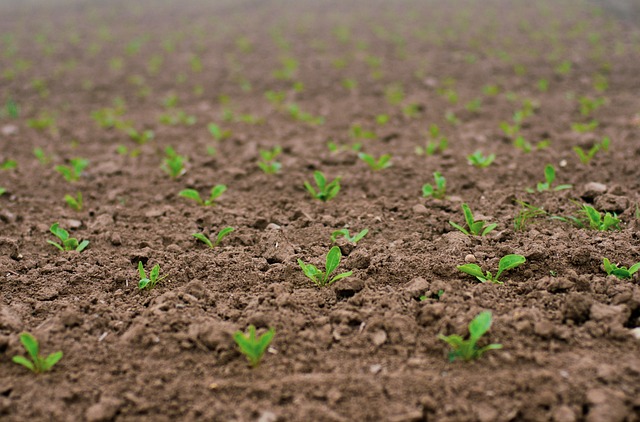
Having good garden soil is the first step to growing healthy, thriving plants. Soil is more than just dirt—it’s a living, breathing ecosystem that nourishes your plants, retains water, and allows roots to grow deep. But how can one tell if garden soil is good or needs improvement? From my own personal experience, understanding the visual, tactile, and smell cues of soil makes a huge difference for gardening success. This post will dive deep into what good garden soil looks like, feels like, and how it supports plant growth.
Why Good Soil Matters
Before exploring the look and feel of good soil, it’s essential to understand why it matters. Soil acts as the foundation for all plants. Healthy soil ensures roots can breathe, water drains properly, and nutrients are available for plants to absorb. Poor soil, on the other hand, can stunt plant growth, invite diseases, and make gardening frustrating. By learning to identify good soil, gardening becomes easier, more productive, and far more enjoyable.
The Color of Healthy Soil
One of the easiest ways to identify good soil is by observing its color. Healthy soil typically has a rich, dark brown or black color, which indicates a high content of organic matter. Darker soil tends to be fertile and full of nutrients, while lighter soil often lacks organic content.
Dark brown or black soil indicates high humus levels.
Slight reddish or yellowish tones may indicate iron content.
Pale, grayish soil often points to poor fertility or excessive sand.
From my overall experience, a dark, even color usually means soil is rich, ready to support everything from vegetables to flowers.
Soil Texture: Loamy is Ideal
Soil texture refers to the balance of sand, silt, and clay in the soil. Good garden soil is generally loamy, which means it has a mix of all three textures. Loam feels soft, crumbly, and slightly moist. It holds nutrients well while still allowing water to drain.
Sandy soil feels gritty and drains quickly but doesn’t retain nutrients well.
Clay soil feels sticky and heavy, retains water, and can suffocate roots if compacted.
Silty soil feels smooth and slippery when wet and can hold water better than sandy soil but can become compacted.
Loamy soil combines the best properties of all these types. From my own personal experience, loamy soil makes planting much easier and reduces the need for frequent watering.
Soil Structure: Crumbly and Loose
A good garden soil has a granular, crumbly structure. When squeezed, it should hold together but crumble easily under slight pressure. This type of soil allows roots to grow freely and air to circulate efficiently.
Granular soil is ideal for most plants.
Compact or clumpy soil often signals poor aeration or low organic content.
Hardpan or crusted soil prevents roots from penetrating deep and reduces water infiltration.
Based on my overall experience, working with crumbly soil makes gardening more enjoyable and ensures plants establish quickly.
Moisture Level: Neither Too Dry Nor Too Wet
Healthy garden soil maintains balanced moisture. Soil that is too dry prevents roots from absorbing nutrients and water, while overly wet soil suffocates roots and encourages root rot.
Squeeze test: Healthy soil feels like a damp sponge when squeezed but shouldn’t drip water.
Cracked soil indicates dryness and poor water retention.
Puddling or standing water signals poor drainage or clay-heavy soil.
From my own personal experience, keeping an eye on soil moisture is crucial for seedlings, as they are highly sensitive to both dryness and excess water.
Smell: Earthy and Fresh
Healthy soil has a clean, earthy smell. This indicates a thriving population of microorganisms, worms, and fungi that break down organic material and enrich the soil.
A rich, earthy smell is a sign of fertility.
Sour or rotten smells often indicate anaerobic conditions or excessive water retention.
Chemical or musty odors may signal contamination or overuse of fertilizers.
In my experience, smelling the soil regularly can act as an early warning system to prevent plant diseases.
Organic Matter: Presence of Decomposed Material
Good soil contains organic matter like decomposed leaves, compost, or other plant material. Organic matter improves fertility, retains moisture, and feeds beneficial microorganisms.
Dark specks or visible plant remnants indicate organic matter.
Lack of organic matter usually shows pale, lifeless soil.
Adding compost can dramatically improve soil quality over time.
From my overall experience, mixing in organic material transforms poor soil into nutrient-rich, plant-friendly soil in a matter of weeks.
Soil Life: Worms and Microorganisms
A sign of good soil is abundant life. Earthworms, insects, and tiny microorganisms indicate soil health. Worms aerate the soil, improve drainage, and create nutrient-rich castings. Microorganisms break down organic matter and support plant health.
Seeing worms while digging is a positive indicator.
Microbial life is harder to see but often reflected in the soil’s smell and texture.
Poor soil often has few or no visible organisms.
Based on my overall experience, a vibrant soil ecosystem often correlates with vigorous plant growth.
pH Level: Balanced for Nutrient Uptake
Good garden soil usually has a neutral to slightly acidic pH, typically around 6.0 to 7.0. This pH range allows most plants to absorb nutrients efficiently.
Acidic soil (pH <6) can limit nutrient uptake.
Alkaline soil (pH >7.5) may cause certain nutrients to become unavailable.
Testing soil pH with simple kits helps ensure plants thrive.
From my own personal experience, slightly acidic soil tends to work best for vegetables, flowers, and most shrubs.
Signs of Poor Soil to Avoid
While looking for good soil, it’s also important to recognize bad soil indicators.
Pale, gray soil with little organic matter.
Compacted or crusted soil that resists digging.
Foul odor indicating poor drainage or anaerobic conditions.
Absence of worms or microbial activity.
Avoiding or improving poor soil is essential before planting. Amending soil with compost, sand, or organic fertilizers can restore balance.
How to Improve Soil Visually and Practically
Even if garden soil doesn’t meet all the ideal characteristics, it can often be improved. Here are practical steps:
Add compost or well-rotted manure to increase organic matter.
Mix in sand for heavy clay soil to improve drainage.
Mulch surface to retain moisture and add nutrients.
Test and adjust pH if necessary using lime or sulfur.
Rotate crops to prevent soil depletion and promote diversity.
From my own personal experience, consistent soil improvement leads to better harvests and healthier plants over time.
Seasonal Considerations for Soil Health
Soil appearance and condition can change with seasons.
Spring: Soil may be wet from melting snow or rain. Avoid working compacted wet soil.
Summer: Soil may dry quickly, requiring mulch or irrigation.
Fall: Add organic matter to enrich soil for next year.
Winter: Avoid heavy traffic on frozen soil to prevent compaction.
Monitoring soil seasonally ensures it stays healthy and productive throughout the year.
Common Mistakes When Assessing Soil
Gardeners often misjudge soil quality by appearance alone. Common mistakes include:
Assuming dark soil is always fertile—it may still lack nutrients.
Ignoring texture—soil can look good but be too sandy or clay-heavy.
Not checking drainage—standing water can indicate problems.
Overlooking pH and chemical balance—plants may struggle despite good appearance.
From my own personal experience, combining visual, tactile, and olfactory checks provides the most accurate assessment of soil health.
Conclusion
Good garden soil is dark, crumbly, loamy, rich in organic matter, slightly moist, and full of life. By observing color, texture, structure, smell, and biological activity, gardeners can quickly assess soil quality and take steps to improve it if needed. From my overall experience, understanding soil characteristics is a game-changer for growing healthy, thriving gardens.
Remember, soil is the foundation of gardening. Taking the time to assess and enhance it pays off in bountiful flowers, vegetables, and lush greenery for years to come.






